

Naar muziek rippen van YouTube, Dan heb je een audio-extractieprogramma nodig dat het geluid van een video kan converteren naar een downloadbaar formaat zoals MP3 of WAV. Kopieer gewoon de URL van de video, plak deze in een betrouwbare converter, kies het gewenste audiotype en download het bestand. Dit is de eenvoudigste manier om offline te genieten van achtergrondtracks, tutorials of podcasts - maar zorg er altijd voor dat je gebruik in overeenstemming is met de auteursrechtregels.
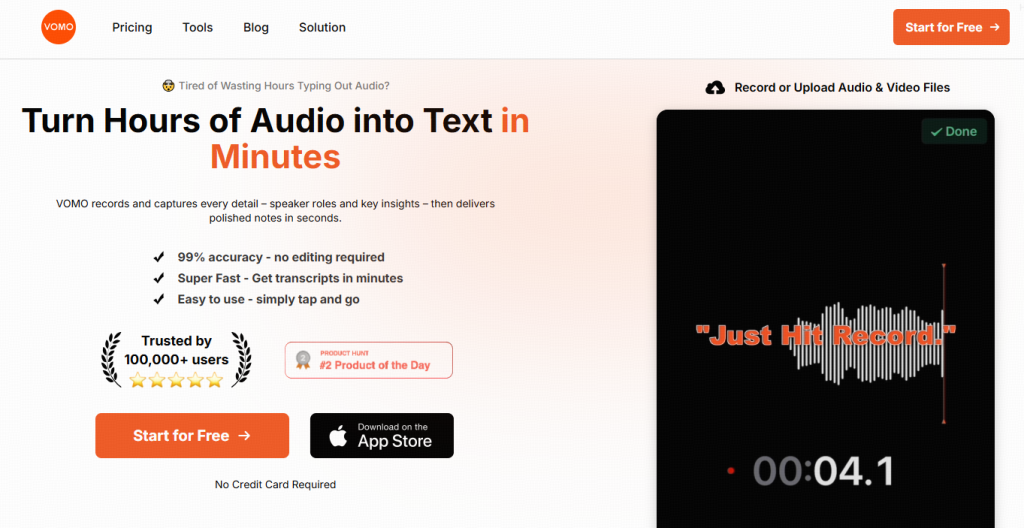
Als je een YouTube-video wilt omzetten in tekst, je kunt proberen VOMO. Plak de URL en je krijgt het transcript binnen een paar seconden.
Stap 1: Begrijpen wat “muziek rippen” betekent
Muziek rippen van YouTube betekent dat je het audiogedeelte van een video extraheert, zodat je het afzonderlijk kunt opslaan en afspelen.
Het is populair onder gebruikers die toegang willen tot niet-downloadbare nummers, remixen of toespraken.
Het is echter cruciaal om juridischJe mag alleen muziek rippen die van jezelf is, een licentie voor hergebruik heeft of onder Creative Commons valt. Auteursrechtelijk beschermd materiaal downloaden zonder toestemming is een schending van de voorwaarden van YouTube.
⚠️ Tip: Ethisch downloaden beschermt zowel de makers als je account tegen mogelijke auteursrechtaanslagen.
Stap 2: Gebruik een online converter of downloader
De handigste manier om muziek te rippen is via een online converter.
Zo doe je dat:
- Kopieer de URL van de YouTube-video.
- Plak het in een betrouwbare converteersite of app.
- Selecteer je uitvoerformaat (meestal MP3 of M4A).
- Klik op Converteer en wacht op de audio-extractie.
- Download het voltooide bestand.
Voor frequent gebruik kunnen speciale desktopprogramma's of browserextensies snellere conversies en een hogere getrouwheid bieden.
🎧 Kies vertrouwde tools die privacy hoog in het vaandel hebben staan en je videogegevens niet opslaan.
Stap 3: Audio kwaliteit verbeteren na extractie
Zodra je track is gedownload, kun je deze oppoetsen met elke standaard audio-editor:
- Snijd stille of ongewenste delen weg.
- Verbeter de helderheid met ruisonderdrukking.
- Pas de equalisatie aan om de hoge en lage tonen in balans te brengen.
- Meerdere versies opslaan (hoge kwaliteit, gecomprimeerd, enz.).
Als je gedownloade clip spraak bevat, gebruik je audio naar tekst Met de software maak je eenvoudig bijschriften of transcripties, ideaal voor notities, podcasts en educatief materiaal.
💬 Geluid omzetten in tekst maakt je muziek en spraak veelzijdiger - toegankelijk en doorzoekbaar in verschillende formaten.
Stap 4: Muziek legaal rippen met Creative Commons en rechtenvrije bronnen
Je kunt legitieme YouTube-muziekkanalen vinden die gratis downloads of hergebruikrechten aanbieden.
Zoek:
- Creative Commons-licenties (vink “Hergebruik toegestaan” aan).
- Royalty-vrije tracks voor achtergrondmuziek in je projecten.
- Archieven uit het publieke domein voor educatieve of historische opnames.
Door op te slaan uit dergelijke bronnen blijf je compliant en breid je tegelijkertijd je bronnenbibliotheek uit voor bewerkingen, vlogs en korte inhoud.
🌐 Legaal muziek rippen stimuleert creativiteit zonder risico.
Stap 5: Hele video's omzetten in bruikbare inhoud
Voor professionals die langere video's hergebruiken, is het converteren van video naar tekst kan een spelbreker zijn.
Deze techniek zet gesproken woorden of songteksten om in leesbare tekst - perfect om quotes, scripts of blogartikelen te maken van muziekgerichte video's.
Door audio-extractie te combineren met transcriptie, kun je elke YouTube track omzetten in multi-format content die klaar is voor marketing of creatieve projecten.
🧠 Slimme makers hergebruiken zowel geluid als spraak om een groter publiek te bereiken.
Stap 6: Tips voor de beste geluidskwaliteit
Voor scherpe en professionele resultaten:
- Kies altijd video's met een hoge resolutie (1080p of hoger).
- Selecteer converters met 320kbps MP3- of WAV-uitvoer.
- Gebruik een hoofdtelefoon om een voorbeeld te bekijken voordat je het opslaat.
- Vermijd overmatige compressie - dit kan de muziek vervormen.
- Hernoem tracks beschrijvend voor eenvoudigere organisatie.
🎶 Een betere bronkwaliteit betekent een betere luisterervaring na het rippen.
Stap 7: veelvoorkomende fouten die je moet vermijden
Vermijd deze problemen bij het rippen van YouTube-muziek:
- Websites van lage kwaliteit of onveilige downloaders gebruiken.
- Informatie over auteursrecht en licenties negeren.
- Downloaden in verkeerde formaten (video in plaats van audio).
- Metadata over het hoofd zien - artiesteninformatie helpt bij bestandsbeheer.
- Vergeten het afspelen te controleren voordat je het deelt.
🚫 Blijf slim en ethisch wanneer u online mediabronnen gebruikt.
Bonus - Creatieve manieren om geripte muziek te gebruiken
Als je eenmaal legaal muziek hebt verkregen, zoek dan naar manieren om deze opnieuw te gebruiken:
- Achtergrondtracks toevoegen aan video's, tutorials of podcasts.
- Gebruik korte segmenten in sociale posts of reels.
- Educatieve audio-archieven maken.
- Mix of remix tracks voor persoonlijke projecten.
- Secties opnemen in presentaties of cursussen.
🌟 Geripte en bewerkte audio kan de creativiteit versterken als het op een verantwoorde manier wordt gebruikt.
✅ Belangrijkste afhaalmaaltijd
Muziek rippen van YouTube is snel, gemakkelijk en veelzijdig - als je het goed doet.
Gebruik legale extractieprogramma's, sla je audio op in hoge kwaliteit en volg de normen voor auteursrechten. Verhoog vervolgens je inhoud met behulp van audio naar tekst transcriptie voor bijschriften en video naar tekst conversie om volledige tracks om te zetten in schriftelijke samenvattingen.
Met deze technieken kan elke melodie of boodschap in 2025 een nieuw leven vinden op verschillende platforms en bij verschillende doelgroepen.
