


Kirjoittaa tehokkaita kokousmuistiinpanot, sinun tulisi sisällyttää kokouksen metatiedot, viralliset esitykset ja erityiset toimintakohteet, mutta sinun ei tulisi sisällyttää sanatarkkoja väitteitä, subjektiivisia mielipiteitä tai vähäpätöisiä sivukeskusteluja.
Vuonna 2026 kokouspöytäkirjojen ensisijaisena tavoitteena on seuraavat asiat tarjota puhtaat, oikeudellisesti puolustettavat tiedot tehdyistä päätöksistä sen sijaan, että se olisi sotkuinen päiväkirja kaikesta sanotusta.
VOMO yksinkertaistaa tätä suodatusprosessia, ja auttaa sinua erottamaan kriittiset tulokset ja päivittäisen jutustelun vaivattomasti toisistaan. Hyödyntämällä 99% tarkkuus transkriptio, VOMO automaattisesti tuottaa toimintakelpoisia kokousmuistiinpanoja jotka keskittyvät olennaiseen ja joiden avulla voit pitää ammattimaisen kirjanpidon sekä tiiviinä että kattavana.
Kokousdokumentoinnin kultainen sääntö
Salaisuus ammatillisten kokousten pöytäkirjat vuonna 2026 on yksinkertainen: Tallenna “tee”, älä “sano”.” Monet organisaatiot lankeavat siihen ansaan, että ne yrittävät tallentaa keskustelun kaikki vivahteet, ja tuloksena on paisuneita asiakirjoja, joita kukaan ei lue. Ammattilaisten pöytäkirjojen pitäisi toimia korkean tason karttana tuloksista ja varmistaa vastuuvelvollisuus ilman pöytäkirjatyylisen täytteen aiheuttamaa sekamelskaa.
Jäljennöksen ja virallisen pöytäkirjan välinen ero
A transcript on sanatarkka tallennus jokaisesta puhutusta sanasta - se on tyhjentävä ja raaka. Virallinen pöytäkirja, ovat kuitenkin yhteenveto oikeudellisesta ja toiminnallisesta merkityksestä. Vaikka voisitkin käyttää pöytäkirjoja syvälliseen tutkimukseen, hallintoneuvosto ja sidosryhmät tukeutuvat päätöksenteossa pöytäkirjoihin.
“Must-Haves”: Mitä pitäisi olla mukana
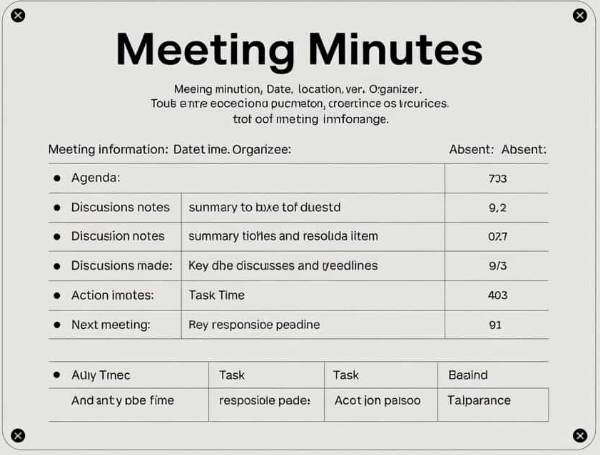
Jotta pöytäkirjasi olisivat sekä hyödyllisiä että sääntöjen mukaisia, sinun on otettava huomioon nämä neljä pilaria:
- Olennaiset metatiedot (5 W:tä): Organisaation nimi, päivämäärä, kellonaika, paikka (tai virtuaalinen linkki) ja luettelo osallistujista/vastustajista.
- Viralliset esitykset ja kannat: Muodollisissa yhteyksissä esityksen tarkka sanamuoto, esityksen tekijä ja kannattaja ovat ratkaisevin oikeudellinen tekijä.
- Äänestystulokset: Kirjataan, onko esitys hyväksytty, hylätty vai jätetty pöydälle. Merkitään mahdolliset eturistiriitojen vuoksi tehdyt poissulkemiset.
- Toimintakohteet ja omistajuus: Jokaisella käsiteltävällä tehtävällä on oltava “kuka” ja “milloin”. Esimerkiksi: “Sarah Chen toimittaa kolmannen vuosineljänneksen markkinointiauditoinnin 15. helmikuuta mennessä.”
“Melu”: Mitä EI SAA sisällyttää
Liian paljon tietoa voi olla yhtä vaarallista kuin liian vähän. Vältä nämä yleiset sudenkuopat:
- Sanatarkat perustelut: Älä nauhoita kiihkeän keskustelun edestakaista keskustelua. Ilmoita vain: “Valiokunta keskusteli pitkään budjettivaikutuksista.”
- Subjektiiviset adjektiivit: Vältä sanoja kuten “vihainen”, “intohimoinen” tai “hämmentynyt”. Pidä kiinni neutraaleista, objektiivisista tosiasioista.
- Off-Topic-keskustelut: Jos tiimi puhui kymmenen minuuttia toimiston kahvinkeittimestä strategisen fuusiokokouksen aikana, jätä se pois.
- Arkaluonteinen oikeudellinen neuvonta: Erityisen oikeudellisen neuvonannon tallentaminen voi vahingossa johtaa asianajajan ja asiakkaan välisen luottamuksellisuuden loukkaamiseen. Kysy lakitiimiltäsi, miten tiivistää johtoryhmän istunnot.
Miten moderni tekoäly suodattaa melun puolestasi
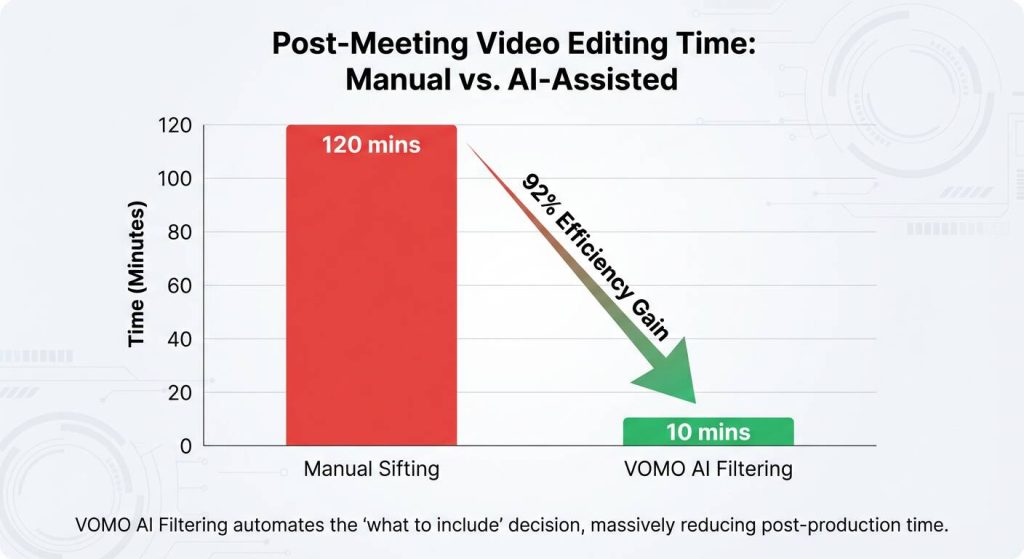
Vuonna 2026 sinun ei tarvitse olla mestarieditori reaaliajassa. Teknologia hoitaa nyt tiedon seulonnan raskaan työn..
Automaattinen seulonta: Miten VOMO erottaa päätökset rupattelusta?
VOMO käyttää kehittyneitä, asiayhteystietoisia algoritmeja erottamaan toisistaan sosiaaliset pilailut ja projektin kannalta kriittiset päätökset. Analysoimalla keskustelun sävyä ja rakennetta se voi automaattisesti korostaa liikkeitä ja toimintakohteita ja siirtää satunnaiset keskustelut taka-alalle.
99% Tarkkuus: Täydelliset “Must-Haves” ovat täydellisiä.
Tarkkuus on luottamuksen perusta. Osoitteessa VOMO, 99%-tarkkuusaste takaa, että kun tehtävälle annetaan nimi tai mainitaan tietty budjettiluku, kirjaus on kiistaton. Sinun ei enää tarvitse viettää tunteja ristiinviittaamalla äänitteitä yhden numeron tarkistamiseksi.
AI Q&A: Sisällön sisällyttämisen tarkistaminen kokouksen jälkeen: Sisällön sisällyttämisen tarkistaminen kokouksen jälkeen
Etkö ole varma, unohditko jonkin keskeisen kohdan? Käytä kokouksen jälkeen VOMOn tekoälyä koskevat kysymykset ja vastaukset kysyä: “Saimmeko lopullisen päätöksen myyjäsopimuksesta?” Jos tekoäly löytää päätöksen, voit lisätä sen suoraan muistiinpanoihisi ja varmistaa 100%:n täydellisyyden kuuntelematta koko nauhoitusta uudelleen.
Kokouspöytäkirjojen parhaiden käytäntöjen tarkistuslista
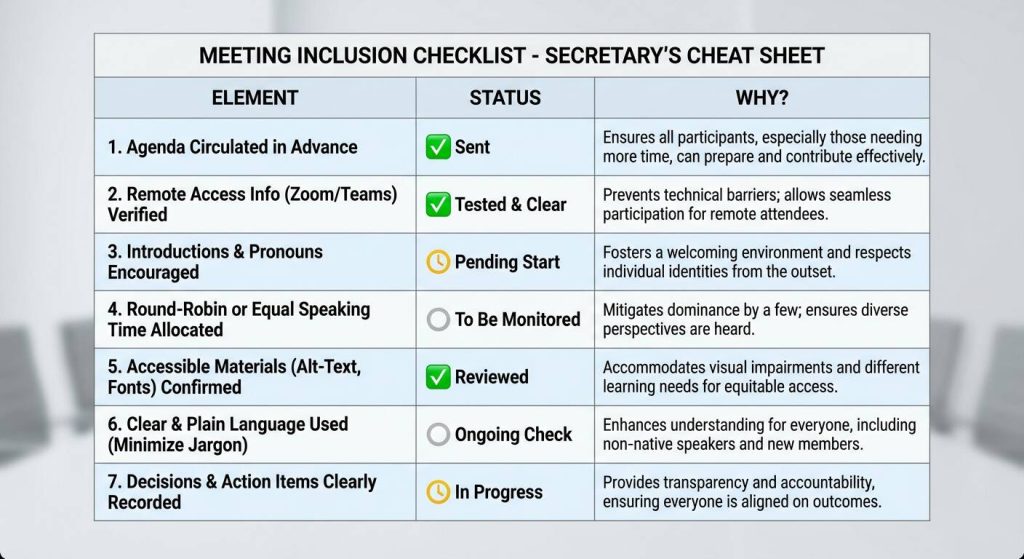
- Ole objektiivinen: Käytä kolmatta persoonaa ja mennyttä aikaa.
- Ole johdonmukainen: Käytä samaa mallia kaikissa samantyyppisissä kokouksissa.
- Ole nopea: Viimeistele pöytäkirjasi 24 tunnin kuluessa, kun asiayhteys on vielä tuore.
VOMO auttaa sinua ylläpitämään tätä johdonmukaisuutta soveltamalla oikeaa “muodollista” tai “ketterää” mallia automaattisesti kokouksen metatietojen perusteella.
Usein kysytyt kysymykset (FAQ)
Kysymys 1: Mikä on kokouspöytäkirjojen vakiomuoto?
Vakiomuoto noudattaa loogista ja jäsenneltyä järjestystä selkeyden ja lainsäädännön noudattamisen varmistamiseksi:
- Otsikko: Organisaation nimi, päivämäärä, kellonaika ja paikka.
- Osallistujat: Luettelo läsnäolijoista, poissaolijoista ja vieraista.
- Edellisen pöytäkirjan hyväksyminen: Vahvistus siitä, että edellinen kirjaus oli tarkka.
- Raportit: Virkamiesten tai valiokuntien yhteenvedot.
- Keskeneräiset asiat: Edellisistä kokouksista siirrettyjen asioiden päivitykset.
- Uudet asiat: Käynnissä olevan istunnon esitykset, keskustelut ja päätöslauselmat.
- Lykkäys: Kokouksen virallinen päättymisaika.
Kysymys 2: Mitkä ovat kokouspöytäkirjoja koskevat ensisijaiset ohjeet?
Tehokkaissa suuntaviivoissa keskitytään objektiivisuus ja oikea-aikaisuus:
- Ole objektiivinen: Käytä neutraalia kieltä ja kolmannen persoonan, menneen ajan näkökulmaa.
- Keskity toimiin: Tallenna, mitä oli valmis, ei jokaista sanaa, joka oli sanoi.
- Ole nopea: Laadi ja jaa pöytäkirja 24 tunnin kuluessa, kun yksityiskohdat ovat vielä tuoreet.
- Käytä mallia: Varmista johdonmukaisuus kaikissa kokouksissa luotettavan arkiston luomiseksi.
Kysymys 3: Mitä 8 asiaa kokouksen pöytäkirjan tulisi sisältää?
Varmista, että nämä 8 osatekijää ovat läsnä, jotta voit täyttää ammatilliset ja oikeudelliset vaatimukset vuonna 2026:
- Metatiedot: Päivämäärä, kellonaika ja paikka.
- Läsnäolo: Yksityiskohtainen luettelo osallistujista ja niistä, joilla on anteeksipyydettyjä poissaoloja.
- Esityslista: Selkeä hahmotelma käsitellyistä aiheista.
- Esitykset ja kannat: Virallisten ehdotusten tarkka sanamuoto ja niiden tekijä.
- Äänestystulokset: Hyväksyttiinkö, hylättiinkö tai jätettiinkö esitykset pöydälle.
- Toimintakohteet: Yksittäisille henkilöille osoitetut erityistehtävät, joilla on selkeät määräajat.
- Tärkeimmät päätökset: Yhteenveto tärkeimmistä kysymyksistä saavutetusta lopullisesta yhteisymmärryksestä.
- Seuraavan kokouksen tiedot: Seuraavan istunnon ehdotettu päivämäärä ja kellonaika.
Kysymys 4: Mitkä ovat yleisiä virheitä kokouspöytäkirjoissa?
Vältä näitä kolmea sudenkuoppaa, jos haluat säilyttää laadukasta kirjanpitoa:
- Henkilökohtaisten mielipiteiden kirjaaminen: Pöytäkirjat on tarkoitettu tosiasioille, ei tunteille tai subjektiivisille tulkinnoille.
- Sanatarkka puhtaaksikirjoitus: Sanatarkka transkriptio on liian sekava; pöytäkirjojen pitäisi olla hienostunut yhteenveto.
- Viivästynyt viimeistely: Pöytäkirjan kirjoittamisen odottaminen liian kauan johtaa epätarkkuuksiin ja asiayhteyden katoamiseen.
Q5: Mitkä ovat Robertin säännöt kokouspöytäkirjoja varten?
Mukaan Robertin järjestyssäännöt, pöytäkirjaan olisi ensisijaisesti kirjattava, mitä oli valmis kokouksessa, ei sitä, mitä oli sanoi jäsenten toimesta. Keskeisiä vaatimuksia ovat:
- Ensimmäisessä kappaleessa on mainittava kokouksen tyyppi (sääntömääräinen, ylimääräinen jne.) ja yhdistyksen nimi.
- Kaikki pääesitykset on kirjattava (vaikka ne olisi peruutettu) ja niiden esittäjän nimi on mainittava.
- Sihteerin (ja joskus myös puheenjohtajan) on allekirjoitettava pöytäkirja sen jälkeen, kun se on hyväksytty.
