


للكتابة الفعالة ملاحظات الاجتماع, ، يجب عليك تضمين البيانات الوصفية للاجتماع، والاقتراحات الرسمية، وعناصر الإجراءات المحددة، بينما يجب عدم تضمين المناقشات الحرفية أو الآراء الشخصية أو المحادثات الجانبية التافهة.
في عام 2026، الهدف الأساسي من محضر الاجتماع هو توفير سجل نظيف يمكن الدفاع عنه قانونيًا للقرارات المتخذة بدلًا من أن تكون مذكرات مزدحمة بكل ما قيل.
فومو تبسيط عملية التصفية هذه, مما يساعدك على التمييز بين النتائج المهمة والدردشة اليومية دون عناء. من خلال الاستفادة من 99% دقة النسخ, ، فومو تلقائيًا إنشاء ملاحظات اجتماعات قابلة للتنفيذ التي تركز على الأساسيات، مما يسمح لك بالاحتفاظ بسجل احترافي موجز وشامل في آنٍ واحد.
القاعدة الذهبية لتوثيق الاجتماعات
السر في محاضر الاجتماعات المهنية في عام 2026 أمر بسيط: سجّل “افعل” وليس “قل”.” تقع العديد من المؤسسات في فخ محاولة تدوين كل الفروق الدقيقة في المحادثة، مما يؤدي إلى وثائق متضخمة لا يقرأها أحد. يجب أن تكون المحاضر المهنية بمثابة خريطة رفيعة المستوى للنتائج، مما يضمن المساءلة دون فوضى الحشو على غرار المحاضر المكتوبة.
الفرق بين المحضر الحرفي والمحاضر الرسمية
A نسخة عبارة عن تسجيل حرفي لكل كلمة قيلت - إنه شامل وخام. المحاضر الرسمية, ومع ذلك، فهي ملخص منسق للأهمية القانونية والتشغيلية. وفي حين أنك قد تستخدم نصاً للبحث المتعمق، فإن المحاضر هي ما يعتمد عليه مجلس الإدارة وأصحاب المصلحة في اتخاذ القرارات.
“الأشياء الضرورية”: ما يجب تضمينه
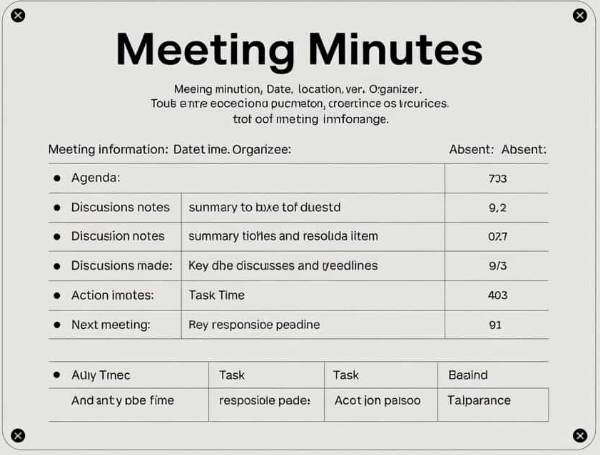
لضمان أن تكون محاضرك مفيدة ومتوافقة في الوقت نفسه، يجب عليك تضمين هذه الركائز الأربع:
- البيانات الوصفية الأساسية (الـ 5 Ws): اسم المنظمة، والتاريخ، والوقت، والموقع (أو الرابط الافتراضي)، وقائمة الحضور/المشاركين.
- الاقتراحات الرسمية والثواني: في الإعدادات الرسمية، تُعد الصياغة الدقيقة للاقتراح، ومن قام بتحريكه، ومن قام بتأييده العنصر القانوني الأكثر أهمية.
- نتائج التصويت: تسجيل ما إذا كان الاقتراح قد تم قبوله أو رفضه أو تأجيله. سجل أي حالات تنحي بسبب تضارب المصالح.
- عناصر العمل مع الملكية: يجب أن يكون لكل مهمة تمت مناقشتها “من” و “متى”. على سبيل المثال: “سارة تشين لتقديم تدقيق التسويق للربع الثالث بحلول 15 فبراير.”
“الضجيج”: ما لا يجب تضمينه
يمكن أن يكون تضمين الكثير من المعلومات خطيراً مثل تضمين القليل منها. تجنب هذه المزالق الشائعة:
- الحجج الحرفية: لا تقم بتسجيل المناقشة الساخنة ذهاباً وإياباً. ببساطة اذكر ما يلي: “ناقشت اللجنة الآثار المترتبة على الميزانية باستفاضة.”
- الصفات الذاتية: تجنبي كلمات مثل “غاضب” أو “متحمس” أو “مرتبك”. التزم بالحقائق المحايدة والموضوعية.
- مناقشات خارج الموضوع: إذا أمضى الفريق عشر دقائق في الحديث عن آلة صنع القهوة في المكتب خلال اجتماع الاندماج الاستراتيجي، فاتركها.
- المشورة القانونية الحساسة: يمكن أن يؤدي تسجيل مستشار قانوني محدد إلى التنازل عن غير قصد عن امتياز المحامي وموكله. استشر فريقك القانوني حول كيفية تلخيص الجلسات التنفيذية.
كيف يقوم الذكاء الاصطناعي الحديث بتصفية الضوضاء من أجلك
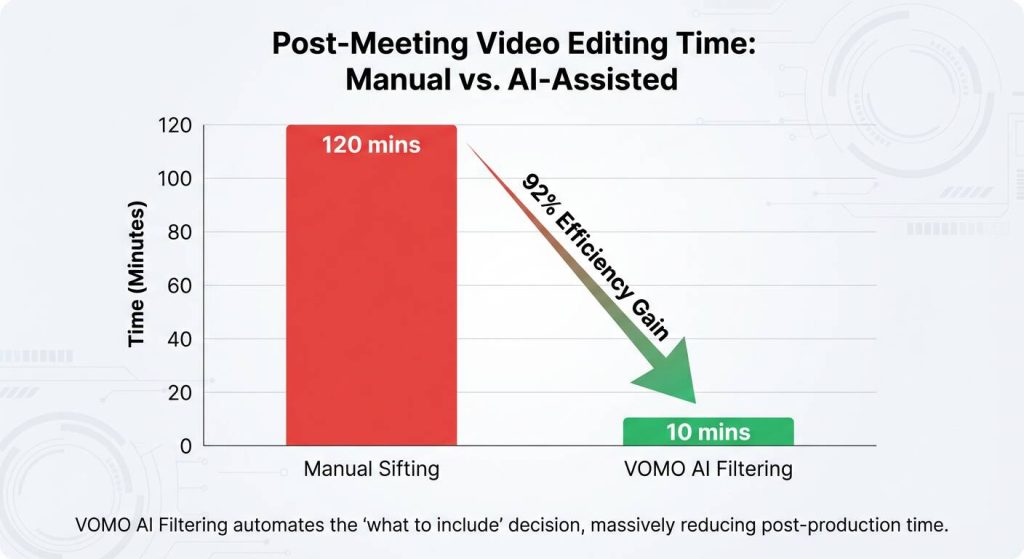
في عام 2026، ليس عليك أن تكون محررًا رئيسيًا في الوقت الفعلي. تتولى التكنولوجيا الآن المهام الثقيلة لغربلة المعلومات.
الغربلة الآلية: كيف تفصل VOMO بين القرارات والثرثرة
فومو يستخدم خوارزميات متقدمة مدركة للسياق للتمييز بين المزاح الاجتماعي والقرارات المهمة للمشروع. ومن خلال تحليل نبرة المحادثة وهيكلها، يمكنه تلقائياً تسليط الضوء على الاقتراحات وعناصر العمل مع إبعاد الحديث غير الرسمي إلى الخلفية.
دقة 99%: التأكد من أن “الأشياء الضرورية” الخاصة بك مثالية
الدقة هي أساس الثقة. مع فومو, ، يضمن معدل الدقة 99% أنه عندما يتم تعيين اسم لمهمة ما أو ذكر رقم ميزانية محدد، فإن السجل لا يقبل الجدل. لم تعد بحاجة إلى قضاء ساعات في مضاهاة الصوت للتحقق من رقم واحد.
أسئلة وأجوبة الذكاء الاصطناعي: التحقق من تضمين المحتوى بعد الاجتماع
لست متأكداً إذا فاتتك نقطة أساسية؟ بعد الاجتماع، استخدم أسئلة وأجوبة الذكاء الاصطناعي من VOMO أن تسأل: “هل توصلنا إلى قرار نهائي بشأن عقد البائع؟” إذا عثر الذكاء الاصطناعي على القرار، يمكنك إدراجه مباشرةً في ملاحظاتك، مما يضمن اكتمال 100% دون إعادة الاستماع إلى التسجيل بأكمله.
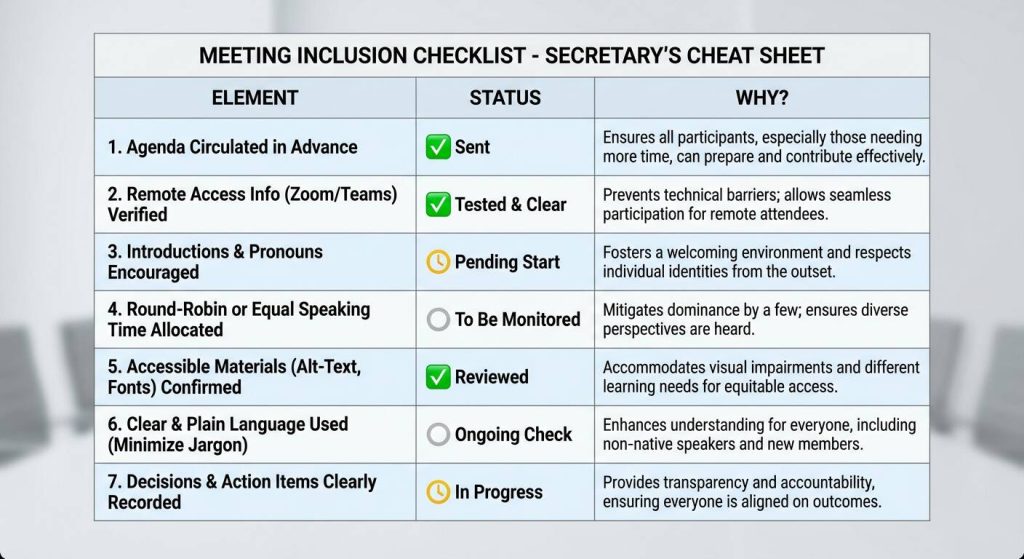
قائمة مراجعة أفضل ممارسات محاضر الاجتماعات
- كن موضوعياً: استخدم ضمير الغائب وصيغة الماضي.
- كن متناسقًا: استخدم نفس القالب لكل اجتماع من نفس النوع.
- كن سريعًا: ضع اللمسات الأخيرة على محضرك في غضون 24 ساعة بينما يكون السياق جديداً.
فومو يساعدك في الحفاظ على هذا الاتساق من خلال تطبيق القالب “الرسمي” أو “الرشيق” الصحيح تلقائيًا بناءً على البيانات الوصفية لاجتماعك.
الأسئلة الشائعة (FAQ)
س1: ما هو الشكل القياسي لمحاضر الاجتماعات؟
يتبع التنسيق القياسي تسلسلًا منطقيًا ومنظمًا لضمان الوضوح والامتثال القانوني:
- العنوان اسم المنظمة والتاريخ والوقت والموقع.
- الحضور: قائمة بالحاضرين والغائبين والضيوف.
- الموافقة على المحاضر السابقة: تأكيد أن السجل الأخير كان دقيقاً.
- التقارير: ملخصات من أعضاء المكتب أو اللجان.
- أعمال غير منتهية: تحديثات بشأن البنود المُرحّلة من الاجتماعات السابقة.
- أعمال جديدة: الاقتراحات والمناقشات والقرارات من الدورة الحالية.
- تأجيل الجلسة: الوقت الرسمي لانتهاء الاجتماع.
س2: ما هي الإرشادات الأساسية لمحاضر الاجتماعات؟
تركز الإرشادات الفعالة على الموضوعية والتوقيت المناسب:
- كن موضوعياً: استخدم لغة محايدة ومنظور الشخص الثالث بصيغة الماضي.
- التركيز على الإجراءات: سجل ما كان تم, وليس كل كلمة كانت قال.
- كن سريعًا: قم بصياغة المحاضر وتوزيعها في غضون 24 ساعة بينما تكون التفاصيل جديدة.
- استخدم قالباً: ضمان الاتساق في جميع الاجتماعات لبناء أرشيف موثوق به.
س3: ما هي الأمور الثمانية التي يجب أن يتضمنها محضر الاجتماع؟
لتلبية المعايير المهنية والقانونية في عام 2026، تأكد من وجود هذه العناصر الثمانية:
- البيانات الوصفية: التاريخ والوقت والمكان.
- الحضور: قائمة مفصلة بالمشاركين وأصحاب الغياب بعذر.
- جدول الأعمال مخطط واضح للمواضيع التي تمت مناقشتها.
- الاقتراحات والثواني: الصياغة الدقيقة للمقترحات الرسمية ومن قدمها.
- نتائج التصويت سواء تم قبول الاقتراحات أو فشلها أو تم تأجيلها.
- بنود العمل: مهام محددة موكلة لأفراد محددين بمواعيد نهائية واضحة.
- القرارات الرئيسية: ملخص لتوافق الآراء النهائي حول القضايا الرئيسية.
- معلومات الاجتماع القادم التاريخ والوقت المقترحان للجلسة التالية.
س4: ما هي الأخطاء الشائعة في محاضر الاجتماعات؟
تجنب هذه المزالق الثلاثة للحفاظ على سجلات عالية الجودة:
- تسجيل الآراء الشخصية: المحاضر للحقائق، وليس للمشاعر أو التفسيرات الذاتية.
- تدوين المحاضر الحرفية: النص المكتوب كلمة بكلمة هو أمر مبعثر للغاية؛ يجب أن تكون المحاضر عبارة عن ملخص منقح.
- التأخير في الانتهاء: يؤدي الانتظار طويلاً لكتابة المحضر إلى عدم الدقة وضياع السياق.
س5: ما هي قواعد روبرت لمحاضر الاجتماعات؟
وفقاً ل قواعد روبرت للنظام, ، يجب أن يحتوي المحضر في المقام الأول على سجل لما كان تم في الاجتماع، وليس ما كان قال من قبل الأعضاء. وتشمل المتطلبات الرئيسية ما يلي:
- يجب أن تذكر الفقرة الأولى نوع الاجتماع (عادي، خاص، إلخ) واسم الجمعية.
- يجب تسجيل جميع الاقتراحات الرئيسية (حتى لو تم سحبها) مع اسم مقدم الاقتراح.
- يجب أن يوقع أمين السر (وأحياناً الرئيس) على المحضر بمجرد الموافقة عليه.
