

Whether it’s a team meeting, a classroom activity, or a casual gathering, starting with fun check-in questions is a great way to break the ice and foster connection. These lighthearted prompts can help people feel more comfortable, spark laughter, and help start a meeting on a positive note for the rest of the event.
In this blog, we’ll explore the benefits of using check-in questions, share tips for choosing the right ones, and provide a list of des idées amusantes pour briser la glace lors des réunions et créer des liens au sein de l'équipe in your next meeting or gathering.
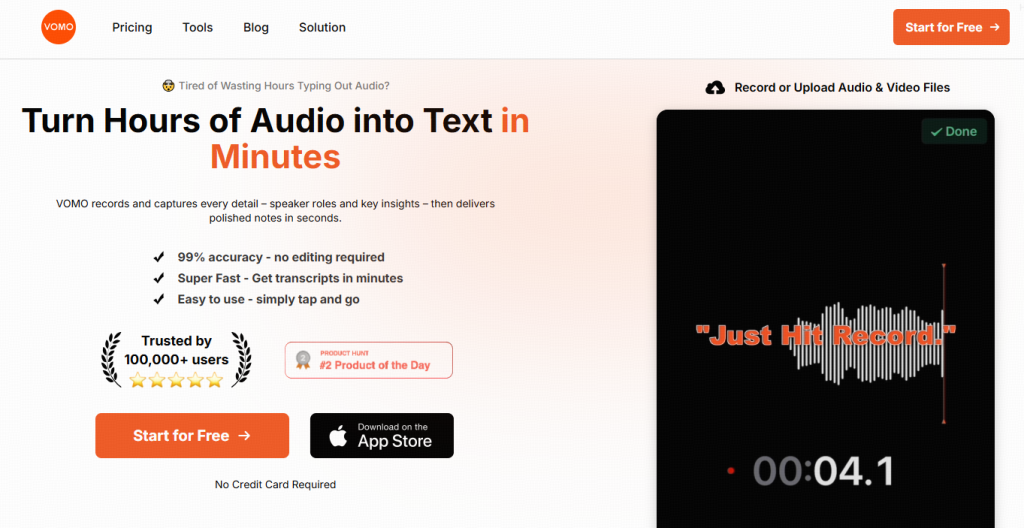
Fun check-ins build culture, but they often clutter manual notes and bury real decisions. Stop typing. VOMO.ai captures hours of audio with 99% transcription accuracy. It is super fast—get transcripts in seconds that perfectly separate casual quick meeting ice breakers from serious action items.
Why Do Employees Secretly Hate Icebreakers? (The Unspoken Truth)
From my own experience facilitating team check-ins—and reinforced by user research across workplace discussions—one thing becomes clear:
people don’t hate connection—they hate poorly designed icebreakers.
Many participants describe check-ins as awkward, forced, or something they try to avoid. The problem isn’t starting meetings with a quick interaction—it’s how that interaction is structured.
Before jumping into question lists, it’s essential to understand why most check-ins fail.
The “Forced Fun” Dilemma and Introvert Anxiety
Based on real facilitation experience and user feedback, one recurring issue is forced participation.
People tend to resist when:
- They’re put on the spot
- They feel pressure to be “interesting”
- They’re expected to share something personal in a professional setting
This is especially uncomfortable for introverted team members.
👉 Key insight:
When participation feels mandatory, engagement drops immediately.
“Just Start the Meeting”: The Time-Wasting Complaint
Another common pattern from user feedback:
People would rather “just start the meeting.”
Check-ins are often perceived as:
- A delay before real work begins
- A ritual with no clear purpose
- A drain on time
👉 Takeaway:
If a check-in doesn’t deliver value quickly, it’s seen as unnecessary.
The Repetition Trap: Why “Favorite Food or Color” Fails
Through repeated use in teams, certain questions quickly lose effectiveness.
Examples like:
- “What’s your favorite food?”
- “What’s your favorite color?”
…tend to fail because they are:
- Overused
- Predictable
- Lacking depth
👉 Why this matters:
Repetition kills engagement faster than anything else.
Fun Check-In Questions to Try (That Actually Work in Real Meetings)
Based on facilitation experience and user behavior patterns, the best check-in questions share three traits:
- Low pressure (easy to answer)
- Slightly unexpected (not overused)
- Quick to respond (no long thinking required)
Below is an optimized, categorized list of 50 bonnes questions pour briser la glace et dynamiser toute réunion you can actually use—without triggering awkward silence or eye rolls.
Low-Pressure & “Weird but Fun” Check-In Questions
From both facilitation practice and user preferences, the most effective questions tend to be:
- Easy to answer
- Slightly unexpected
- Low emotional effort
👉 The formula:
low pressure + light novelty = higher participation
Exemples
- What’s a small thing that made your day better this week?
- If your current mood were a weather forecast, what would it be?
- What’s something oddly satisfying you enjoy?
“Tell Us Something Boring”: The Power of Self-Deprecating Anti-Icebreakers
One approach that consistently works in real settings is reversing expectations:
👉 “Tell us something boring about yourself.”
Pourquoi cela fonctionne-t-il ?
- Removes pressure to impress
- Encourages authenticity
- Often leads to natural humor
Hypothetical Worlds & Escapism (Low Cognitive Load)
Another effective category is hypothetical questions.
These are popular because they:
- Avoid personal boundaries
- Require minimal thinking effort
- Feel playful rather than intrusive
Exemples
- If you could live in any fictional world, which would you choose?
- If you had unlimited travel for a month, where would you go first?
- If your job were in a video game, what would your role be?
Favorite Habits and Simple App Usage Quirks
User research shows that simple, real-life questions often perform best.
Exemples
- What’s the app you open the most every day?
- What’s a small habit you’ve picked up recently?
- What’s something you do that saves you time daily?
👉 Why they work:
- Easy to answer
- Relatable
- Lead to natural conversation
For Team Meetings (Light + Work-Relevant)
These balance engagement with relevance, so they don’t feel like wasted time.
- What’s one small win you had this week?
- If your week had a title, what would it be?
- What’s one thing that made your work easier recently?
- What’s something you’re looking forward to this week?
- What’s one tool, shortcut, or trick you’ve discovered lately?
- If your workload were a weather forecast, what would it be today?
- What’s one thing you’d do differently if you could redo this week?
For Virtual Meetings (Remote-Friendly & Easy)
Designed for low energy environments where attention is limited. If you are utilizing Microsoft’s platform for your remote teams, you can also explore free apps for fun icebreakers in Microsoft Teams meetings to add more interactive elements.
- Quelle est la dernière chose que vous avez cherchée sur Google ?
- What’s something currently on your desk right now?
- What’s your most-used app this week?
- What emoji best describes your mood today?
- What’s your current “background tab” (what’s distracting you)?
- If your Zoom background reflected your mood, what would it look like?
- What’s one small habit you’ve developed while working remotely?
“Weird but Safe” Questions (Low Pressure, High Engagement)
These perform extremely well because they’re fun without being personal.
- Tell us something boring about yourself
- If your life had background music right now, what would it be?
- What’s a strangely satisfying thing you enjoy?
- If your personality were a kitchen appliance, what would it be?
- What’s a completely useless skill you have?
- If you had to rename your job title creatively, what would it be?
- What’s something normal that you secretly find annoying?
Hypothetical & Imagination-Based Questions
Great for creativity without putting people on the spot.
- Si vous pouviez vous téléporter n'importe où, où iriez-vous ?
- If you lived in a fictional world, which would you choose?
- If you had a superpower for one day, what would it be?
- If your job existed in a video game, what would your role be?
- If time and money didn’t matter, what skill would you learn?
- If your life were a movie genre today, what would it be?
- If you could swap jobs with anyone for a week, who would it be?
Quick Personality & Habit Questions (Fast & Relatable)
These are easy wins—simple, real, and conversational.
- What’s your go-to way to unwind after work?
- What’s your current favorite playlist or song?
- What’s one thing you do every day without thinking?
- What’s a small purchase that improved your life recently?
- What’s your go-to comfort food?
- What’s something you’ve recently become obsessed with?
- What’s one habit you’re trying to build (or break)?
Creative & Brainstorming Check-Ins
Perfect for innovation sessions or workshops.
- If your creativity were a color today, what would it be?
- What’s the most absurd product idea you can think of?
- If ideas grew like plants, what would your “idea garden” look like?
- What’s the weirdest solution to a normal problem you can imagine?
- If you could brainstorm with any person (past or present), who would it be?
- What’s a random idea you’ve had recently that stuck with you?
- If your team were a startup, what would you name it?
For Icebreakers (Fun but Not Cringe)
Use these when energy is low and you need a quick reset.
- Quel est l'aliment le plus bizarre que vous ayez jamais goûté ?
- Quelle est votre chanson préférée pour le karaoké ?
- What’s an unusual talent you have?
- Quelle est la dernière chose qui vous a fait rire aux éclats ?
- If you could instantly master one hobby, what would it be?
- What’s a small thing that always makes your day better?
- What’s a random fun fact about you most people don’t know?
For Deeper Team Connection (When It Makes Sense)
Use sparingly—these are better for established teams.
- What’s something you’re proud of recently?
- What’s a challenge you’ve overcome this month?
- What motivates you when work gets difficult?
- What’s something you’ve learned recently (work or life)?
- What kind of work environment helps you do your best work?
- What’s one thing your teammates might not know about how you work best?
Pro Tip: Rotate Formats, Not Just Questions
One key insight from real usage:
👉 People don’t get bored of questions—they get bored of patterns.
Instead of just changing questions, rotate formats:
- Rapid-fire (1-word answers)
- Chat-only responses (no speaking pressure)
- Voluntary sharing (no round-robin)
- Small group breakout answers
Dernier point à retenir
You don’t need 100+ questions to run a great check-in.
👉 You need the right type of question:
- Easy to answer
- Not overused
- Safe but slightly unexpected
The goal isn’t to be clever—it’s to make people comfortable enough to participate
Meaningful vs. Funny: Questions for Deeper Team Connection
In practice, check-in questions fall into two main categories:
Fun & Light
- Energize the room
- Lower barriers to participation
Meaningful & Reflective
- Build deeper connections
- More suitable for established teams
👉 Insight :
The best teams match the question type to the meeting context.
“Two Truths and a Lie”: How to Do It Without the Awkwardness
This classic activity can work—but only if handled properly.
Common issues observed:
- Takes too long
- Participants feel unprepared
- Creates awkward pauses
Best practices
- Limit to a few participants
- Allow preparation time
- Keep it optional
Value-Based Check-Ins for Weekly Syncs and Retrospectives
In many teams, the most effective check-ins are directly tied to work.
Exemples
- What’s one win you had this week?
- What slowed you down recently?
- What’s one thing you’d improve next week?
👉 Why they work:
They add value instead of interrupting workflow.
Reflective Memory Questions for Long-Term Teams
For teams that already know each other, reflective questions are more effective.
Exemples
- What’s a recent moment at work that made you proud?
- What’s something new you’ve learned recently?
- What’s a challenge you overcame this month?
👉 These feel more meaningful and less repetitive.
How to Facilitate Check-Ins Without the Cringe
From both experience and user insights:
👉 The delivery matters more than the question.
The 5-Minute Rule: Keep the Energy High and Move On
One of the strongest patterns:
- Shorter is better
- Simplicity wins
Recommendation:
- Keep check-ins within 3–5 minutes
- Use 1–2 questions max
Provide a “Pass” Option: Never Force Fake Answers
A critical improvement in real-world facilitation:
👉 Always allow participants to pass.
Pourquoi cela fonctionne-t-il ?
- Removes pressure
- Prevents fake or low-quality answers
- Increases voluntary participation
Tailoring Questions for Remote vs. In-Person Environments
Réunions à distance
- Require simpler, faster questions
- Attention spans are shorter
Réunions en personne
- Allow for more dynamic interaction
- Can support slightly more complex formats
The 2026 Workflow: Don’t Let Icebreakers Ruin Your Meeting Notes
Modern teams face a balance challenge:
👉 engagement vs productivity. This is why using an Preneur de notes AI has become essential for capturing everything accurately.
The Challenge of Mixing Casual Chat with Serious Action Items
A common observation:
- Light conversation can disrupt momentum
- Teams struggle to switch back to focused discussion
👉 Solution:
Clearly separate check-in time from core agenda items.
Automatically Identify and Match Scene Templates with VOMO.ai
In modern workflows, teams are beginning to use AI tools to simplify meeting notes with AI and:
- Match meeting types with appropriate check-ins
- Avoid repetitive questions
- Standardize meeting structures
Generate AI Summaries That Highlight Real Meeting Productivity
To ensure efficiency, AI can:
- Summarize key points automatically
- Highlight outcomes and decisions
- Keep meetings focused despite check-ins
Use “Ask AI” to Gauge Team Morale from Check-In Responses
Check-ins can also serve a deeper purpose:
- Identifying team sentiment
- Detecting early signs of disengagement
- Providing actionable insights
Conclusion: Balancing Human Connection with Meeting Efficiency
From facilitation experience and user research, one truth stands out:
👉 People don’t reject check-ins—they reject poorly executed ones.
The 2026 Standard:
- Keep it low-pressure
- Keep it short
- Make it optional
- Ensure it’s useful or genuinely engaging
Final Insight
The best check-in question isn’t the most creative one—
it’s the one people feel comfortable answering.
