

是的,在亞利桑那州,只要您是對話的參與者,您就可以合法地錄製對話。 亞利桑那州是一方同意的州,這意味著只有一人(可以是您)需要知道並同意錄音。但是,在未經任何一方同意的情況下錄下您未參與的對話是非法的,並且可能違反州竊聽法。
亞利桑那州關於錄製對話的法律是什麼?
亞利桑那州被認為是 一党同意的国家 在下 其監聽和竊聽法律。 這表示 如果至少有一方(可以是您)同意錄音,您就可以合法地對談話進行錄音.
此法律適用於當面對話、電話通話和電子通訊。因此,如果您有參與對話,一般而言您可以在不通知對方的情況下進行錄音。
在亞利桑那州,何時錄製對話是合法的?
在亞利桑那州,您可以在這些條件下合法錄製對話:
- 您是對話的一部分
- 您已取得至少一方的同意
- 錄製並無犯罪或惡意意圖
This makes it legal for employees to record meetings with managers, for journalists to record interviews, or for students to use AI 會議記錄 tools during class discussions—provided they are part of the conversation.
在亞利桑那州,在他人不知情的情況下錄音是否違法?
是-如果您不是對話的一部分,並且在未獲得至少一方同意的情況下錄製對話根據亞利桑那州法律,這是非法的。這可能會被視為竊聽或監聽,並可能會受到刑事處罰。
因此,舉例來說,在您不在場的房間內放置隱藏的錄音裝置,或截取其他兩人之間的私人通話,都是明顯的違法行為。
The Biggest Misunderstanding: “Legal” Doesn’t Mean “Risk-Free”
After reviewing multiple real-world scenarios, one of the most common misunderstandings is assuming that if recording is legal, there are no consequences.
In practice, that’s not always true.
Even if Arizona law allows one-party consent recording:
- Employers may still prohibit recordings in the workplace
- Relationships can be damaged if recordings are discovered
- You may face civil or professional consequences
Legal permission does not eliminate real-world risk.
瞭解 differences between transcription and transcripts can help you manage these records professionally.
錄製與其他州的人的對話怎麼辦?
If you’re in Arizona but speaking with someone in a two-party consent state like 賓州 或 伊利諾州, things get tricky. In such cases, it’s safest to get permission from everyone involved to avoid violating the stricter law.
如有疑問,請務必透露錄音內容或徵求同意。
Workplace Recording: What Actually Happens in Real Situations
Recording conversations at work is one of the most common use cases—and also one of the riskiest.
From actual case patterns:
- Employees often 電話錄音 to protect themselves
- Managers may consider recordings a violation of company policy
- Termination can occur even if the recording itself is legal
Before recording in a workplace setting, always consider:
- Company policies
- HR implications
- Professional consequences
The Participation Rule: Where Most People Get It Wrong
Another major point of confusion is the requirement that you must be part of the conversation.
In real scenarios, people often assume:
- “If one person consents, I can record anything”
But the key detail is:
👉 That consenting party must be actively involved in the conversation
Situations that cross the line include:
- Leaving a recording device in a room
- Recording conversations you are not present for
- Monitoring calls without participation
This is where many legal mistakes happen.
Audio vs Video Recording: Why the Rules Are Not the Same
From a practical standpoint, users often assume audio and video recording follow identical rules—but they don’t always.
In more sensitive environments:
- Video recording may trigger additional privacy concerns
- Private spaces (homes, bathrooms, bedrooms) have stricter expectations
- Visual content can introduce separate legal risks
This distinction becomes critical when using tools to transcribe a video on iPhone that capture both audio and visual data.
Cross-State Conversations: The Hidden Legal Risk Most People Miss
One of the most overlooked risks comes from recording across state lines.
In real communication scenarios:
- 電話
- Zoom 會議
- Remote work discussions
If the other person is located in a 雙方同意狀態, stricter laws may apply.
最佳實踐:
- Always obtain consent from all participants
- Especially in cross-state or remote conversations
The best practice is to always obtain consent from all participants, especially when you need to 批量轉錄音訊檔案 for official records later.
Can Recordings Actually Be Used as Evidence?
Many people record conversations for protection—but are unsure whether those recordings are useful later.
實際上:
- Legally obtained recordings are more likely to be admissible
- Improper recordings may be rejected
- Context and intent can influence how recordings are evaluated
Recording something is one thing—using it effectively is another, which is why having a clear timecode transcription can be vital for legal clarity.
Privacy Expectations: Public vs Private Conversations
Another important factor is where the conversation takes place.
From real-world application:
Lower expectation of privacy:
- 公共空間
- Open environments
- Group settings
Higher expectation of privacy:
- Private homes
- Closed-door meetings
- Personal conversations
Even when recording is technically allowed, privacy expectations still matter.
When You Should Always Ask for Consent (Even If Not Required)
Although Arizona law allows one-party consent, there are situations where asking for permission is strongly recommended.
In practice, this includes:
- Professional environments
- Sensitive personal discussions
- Client or customer interactions
Asking for consent can:
- Reduce legal ambiguity
- Protect relationships
- Increase trust
Real-World Use Cases: When Recording Makes Sense
From practical usage, recording conversations is most commonly used for:
- Documenting important discussions
- Capturing interviews
- Taking accurate notes in meetings
- Recording lectures or training sessions
When used correctly, recording becomes a productivity tool—not just a legal topic.
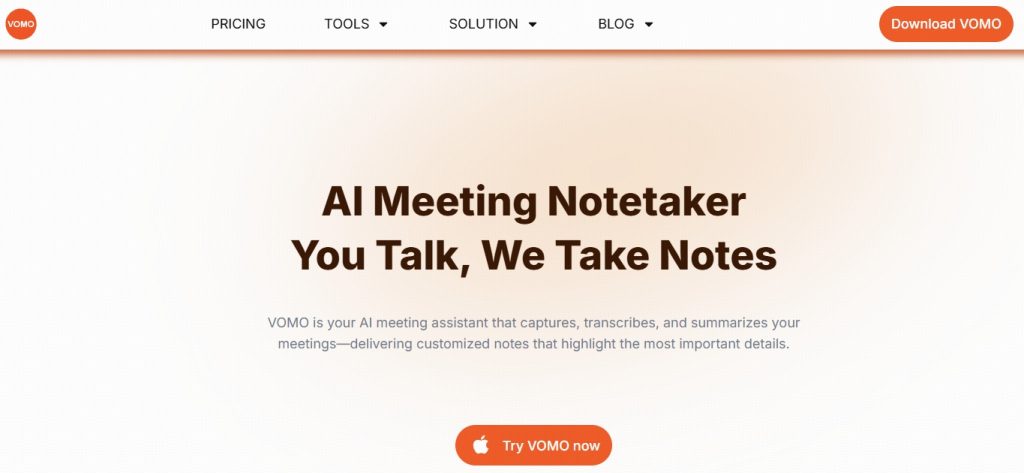
我可以在亞利桑那州使用 VOMO 等 AI 工具來錄製對話嗎?
Yes—as long as you comply with Arizona’s one-party consent law, you can absolutely use 頂級 AI 謄寫服務
like VOMO to record and transcribe conversations. VOMO will convert speech to text in seconds, allowing you to create searchable, organized AI 會議記錄 legally and efficiently.
- 商務會議
- 訪談
- 線上課程
- 現場講座
- 個人語音備忘錄
VOMO 將轉換 語音轉文字 在幾秒鐘內,讓您建立可搜尋、有條理的 AI 會議記錄-合法且有效率。
Using AI Tools Safely: From Recording to Transcription
Modern workflows don’t stop at recording—they include transcription and analysis.
When using tools like VOMO:
- Ensure you are legally allowed to record
- Store recordings securely
- Avoid sharing sensitive data without permission
This transforms recordings into effortless summaries and actionable insights.
- Searchable notes
- Organized summaries
- 可行的洞察力
在亞利桑那州錄製對話的最佳做法
要保持合規並避免法律問題,請遵循以下提示:
- 永遠是對話的參與者
- 如有疑問,請徵求同意
- 避免秘密錄製您沒有參與的對話
- 未經許可,請勿分享或散佈錄音,尤其是用於商業用途
- 使用安全的應用程式,如 VOMO,保護您的錄音和隱私
最後的想法:以正確的方式記錄亞利桑那州的對話
所以、 在亞利桑那州可以錄音嗎? 是的,只要您遵守單方同意規則。無論您使用的是智慧型手機、手持式記錄器,或是 AI 驅動的應用程式,例如 VOMO請確保您是對話的一部分,並尊重他人的隱私。
想要合法且準確地錄製和轉錄對話嗎? 今天就試試 VOMO—the smart, secure way to 將 MP4 轉錄為文字 or record meetings anytime.
如果您想 瞭解美國聯邦或其他州特定的錄音法律, 我們在此提供全面的指南。
