

Yes, you can legally record a conversation in Arizona as long as you are a participant in the conversation. Arizona is a one-party consent state, meaning only one person involved (which can be you) needs to be aware of and consent to the recording. However, recording conversations you are not part of—without any party’s consent—is illegal and may violate state wiretapping laws.
What Is Arizona’s Law on Recording Conversations?
Arizona is considered a one-party consent state under its wiretapping and eavesdropping laws. This means that you can legally record a conversation if at least one party (which can be you) consents to the recording.
This law applies to in-person conversations, phone calls, and electronic communications. So if you’re participating in the conversation, you’re generally allowed to record it without informing the other party.
When Is It Legal to Record a Conversation in Arizona?
You can legally record a conversation in Arizona under these conditions:
- You are part of the conversation
- You have obtained consent from at least one party involved
- The recording is not made with criminal or malicious intent
This makes it legal for employees to record meetings with managers, for journalists to record interviews, or for students to use AI meeting notes tools during class discussions—provided they are part of the conversation.
Is It Illegal to Record Someone Without Their Knowledge in Arizona?
Yes—if you are not part of the conversation and record it without the consent of at least one party, that is illegal under Arizona law. This could be considered wiretapping or eavesdropping and may carry criminal penalties.
So, for example, placing a hidden recording device in a room where you’re not present, or intercepting a private call between two other people, is a clear violation.
The Biggest Misunderstanding: “Legal” Doesn’t Mean “Risk-Free”
After reviewing multiple real-world scenarios, one of the most common misunderstandings is assuming that if recording is legal, there are no consequences.
In practice, that’s not always true.
Even if Arizona law allows one-party consent recording:
- Employers may still prohibit recordings in the workplace
- Relationships can be damaged if recordings are discovered
- You may face civil or professional consequences
Legal permission does not eliminate real-world risk.
Understanding the differences between transcription and transcripts can help you manage these records professionally.
What About Recording Conversations with People in Other States?
If you’re in Arizona but speaking with someone in a two-party consent state like Pennsylvania or Illinois, things get tricky. In such cases, it’s safest to get permission from everyone involved to avoid violating the stricter law.
When in doubt, always disclose the recording or seek consent.
Workplace Recording: What Actually Happens in Real Situations
Recording conversations at work is one of the most common use cases—and also one of the riskiest.
From actual case patterns:
- Employees often record the phone call to protect themselves
- Managers may consider recordings a violation of company policy
- Termination can occur even if the recording itself is legal
Before recording in a workplace setting, always consider:
- Company policies
- HR implications
- Professional consequences
The Participation Rule: Where Most People Get It Wrong
Another major point of confusion is the requirement that you must be part of the conversation.
In real scenarios, people often assume:
- “If one person consents, I can record anything”
But the key detail is:
👉 That consenting party must be actively involved in the conversation
Situations that cross the line include:
- Leaving a recording device in a room
- Recording conversations you are not present for
- Monitoring calls without participation
This is where many legal mistakes happen.
Audio vs Video Recording: Why the Rules Are Not the Same
From a practical standpoint, users often assume audio and video recording follow identical rules—but they don’t always.
In more sensitive environments:
- Video recording may trigger additional privacy concerns
- Private spaces (homes, bathrooms, bedrooms) have stricter expectations
- Visual content can introduce separate legal risks
This distinction becomes critical when using tools to transcribe a video on iPhone that capture both audio and visual data.
Cross-State Conversations: The Hidden Legal Risk Most People Miss
One of the most overlooked risks comes from recording across state lines.
In real communication scenarios:
- Phone calls
- Zoom meetings
- Remote work discussions
If the other person is located in a two-party consent state, stricter laws may apply.
Best practice:
- Always obtain consent from all participants
- Especially in cross-state or remote conversations
The best practice is to always obtain consent from all participants, especially when you need to batch transcribe audio files for official records later.
Can Recordings Actually Be Used as Evidence?
Many people record conversations for protection—but are unsure whether those recordings are useful later.
In practice:
- Legally obtained recordings are more likely to be admissible
- Improper recordings may be rejected
- Context and intent can influence how recordings are evaluated
Recording something is one thing—using it effectively is another, which is why having a clear timecode transcription can be vital for legal clarity.
Privacy Expectations: Public vs Private Conversations
Another important factor is where the conversation takes place.
From real-world application:
Lower expectation of privacy:
- Public spaces
- Open environments
- Group settings
Higher expectation of privacy:
- Private homes
- Closed-door meetings
- Personal conversations
Even when recording is technically allowed, privacy expectations still matter.
When You Should Always Ask for Consent (Even If Not Required)
Although Arizona law allows one-party consent, there are situations where asking for permission is strongly recommended.
In practice, this includes:
- Professional environments
- Sensitive personal discussions
- Client or customer interactions
Asking for consent can:
- Reduce legal ambiguity
- Protect relationships
- Increase trust
Real-World Use Cases: When Recording Makes Sense
From practical usage, recording conversations is most commonly used for:
- Documenting important discussions
- Capturing interviews
- Taking accurate notes in meetings
- Recording lectures or training sessions
When used correctly, recording becomes a productivity tool—not just a legal topic.
Can I Use AI Tools Like VOMO to Record Conversations in Arizona?
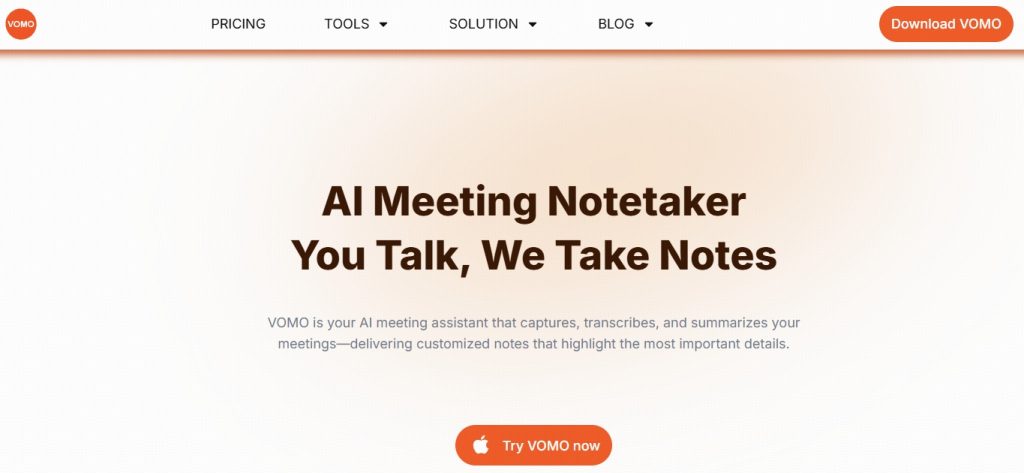
Yes—as long as you comply with Arizona’s one-party consent law, you can absolutely use top AI transcription services
like VOMO to record and transcribe conversations. VOMO will convert speech to text in seconds, allowing you to create searchable, organized AI meeting notes legally and efficiently.
- Business meetings
- Interviews
- Online classes
- In-person lectures
- Personal voice memos
VOMO will convert speech to text in seconds, allowing you to create searchable, organized AI meeting notes—legally and efficiently.
Using AI Tools Safely: From Recording to Transcription
Modern workflows don’t stop at recording—they include transcription and analysis.
When using tools like VOMO:
- Ensure you are legally allowed to record
- Store recordings securely
- Avoid sharing sensitive data without permission
This transforms recordings into effortless summaries and actionable insights.
- Searchable notes
- Organized summaries
- Actionable insights
Best Practices for Recording Conversations in Arizona
To stay compliant and avoid legal issues, follow these tips:
- Always be a participant in the conversation
- When in doubt, ask for consent
- Avoid secretly recording conversations you’re not part of
- Don’t share or distribute recordings without permission, especially for commercial use
- Use secure apps like VOMO that protect your recordings and privacy
Final Thoughts: Recording Conversations in Arizona the Right Way
So, can you record a conversation in Arizona? Yes—if you follow the one-party consent rule. Whether you’re using a smartphone, handheld recorder, or AI-powered app like VOMO, make sure you’re part of the conversation and respecting others’ privacy.
Want to record and transcribe conversations legally and accurately? Try VOMO today—the smart, secure way to transcribe MP4 to text or record meetings anytime.
If you’d like to learn about U.S. federal or other state-specific recording laws, we have a comprehensive guide available here.
