
Converting audio to an image is easier than ever thanks to modern AI tools. The process is simple: first, turn the audio into text using speech recognition (transcription), then export the text in a visual format such as a styled image, caption card, or quote format. Tools like VOMO allow you to complete this entire workflow in minutes—no editing or design skills required.
What Does It Mean to Convert Audio to an Image?
Converting audio to an image means transforming spoken words into readable text and then formatting it as a static visual output—similar to a subtitle card, note snapshot, or Instagram quote-style graphic.
This format is especially useful when:
- You want to share audio content on platforms that only support images.
- You need visual notes from recorded meetings, interviews, or voice recordings.
- You want an archive-friendly and searchable visual record.
Unlike screenshots or manually typed transcription, AI automation makes this workflow fast and accurate.
Best Tool to Convert Audio to Image Automatically
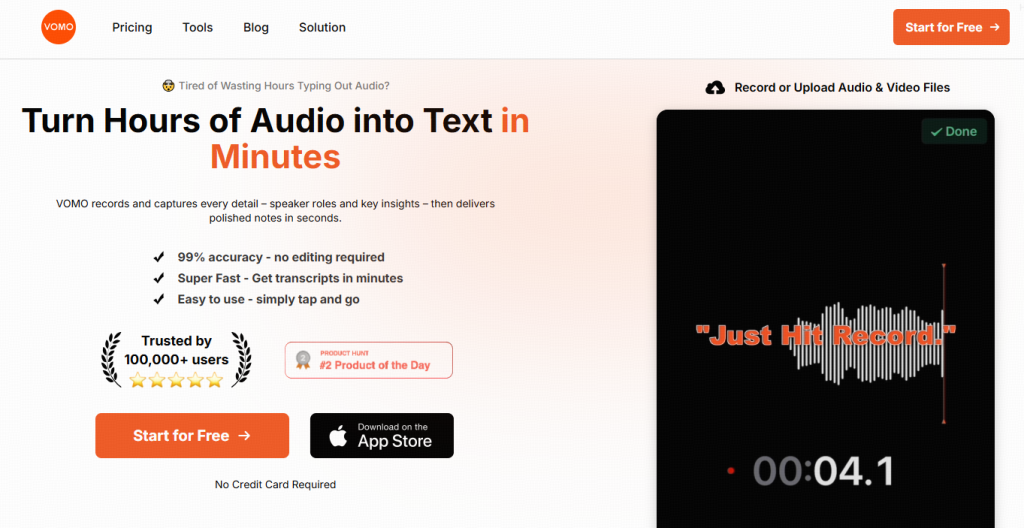
While there are manual methods, the most efficient solution is using an AI-powered transcription tool that supports text-to-image formatting.
VOMO stands out because it:
✔ 皈依者 語音轉文字 高精度
✔ Supports multiple languages
✔ Works with recordings and live audio
✔ Allows users to export the final transcript as an image file
✔ Requires no editing or graphic design
Whether using long-form lectures or short 語音備忘錄, VOMO automates the process end-to-end.
Step-by-Step: How to Convert Audio to Image Using AI
Follow these steps to convert your audio file into a clean, shareable image:
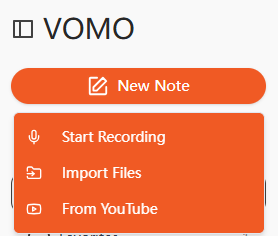
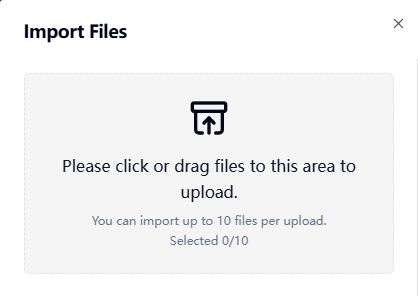
步驟 1:上傳您的音訊檔案
Open the transcription tool and upload a supported audio format such as MP3, M4A, AAC, or WAV.
Most tools also allow microphone recording if you prefer live transcription.
Step 2: Transcribe the Audio to Text
The tool will automatically convert spoken content into editable text. This step is where speech recognition processes the language and formats it into readable sentences.
This process is similar but not identical to turning 音訊轉文字, except the final output will be visual rather than text-only.
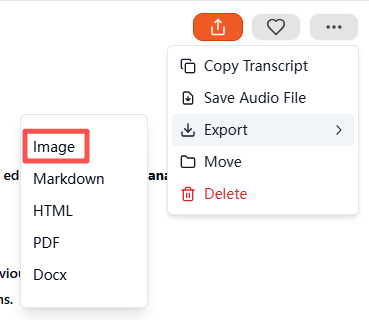
Step 3: Export the Text as an Image
Once the transcription is complete, go to the export settings and select 圖片 as the output format. After confirming, the tool will automatically generate and download a compressed ZIP file. Inside the folder, you’ll find the final image containing the transcribed text—ready to save, archive, or share wherever you need.
The final exported image is now ready to save, archive, or share.
Supported File Types for Audio-to-Image Conversion
Not all tools support every media format. Below are the most common input types:
| 媒體類型 | 格式 |
|---|---|
| 音訊 | MP3, M4A, AAC, WAV, OGG |
| Video (optional) | MP4, MOV, MKV, AVI, FLV |
If you upload recorded footage instead of standalone audio, the tool will still extract spoken content first. This is similar to doing 視訊轉文字, except with a final visual export.
Top Use Cases for Converting Audio to Image
This workflow benefits many user groups:
| 使用個案 | 範例 |
|---|---|
| 學習筆記 | Lecture recordings turned into visual flashcards |
| 社交媒體 | Podcast quotes formatted into shareable images |
| Meeting Records | Business conversation snapshots for documentation |
| 無障礙 | Hearing-impaired support content |
| Content Marketing | Transforming voice ideas into branded visuals |
Images communicate quickly and can be archived or shared far more easily than raw audio.
Tips for High-Quality Audio-to-Image Conversion
To improve 謄寫準確性 and final readability:
- Use clear audio with minimal background noise
- 以一致的速度說話
- Choose readable fonts and spacing
- Highlight key ideas or timestamps
A clean and polished visual improves comprehension and engagement.
最終想法
Converting audio to image is a smart way to preserve spoken content in a visually friendly, shareable format. With tools like VOMO, you can transcribe audio, automatically refine the text with AI, and export it as a clean graphic in minutes—perfect for productivity, education, content marketing, and accessibility.