

To share 會議記錄 across platforms, use the Share with Meeting feature in OneNote to instantly invite attendees or select Email Page to send formatted notes directly via Outlook. However, restrictive permissions for external users often block access to Loop components, forcing teams to rely on fragmented copy-paste methods that break formatting.
This guide covers the fastest native workflows to distribute your notes effectively, including tips on how to export meeting notes from Microsoft Teams for external use.
For seamless external sharing, VOMO 自動 turns recordings into structured, 99%-accurate meeting notes that anyone can view via a secure web link. By bypassing complex login walls, VOMO ensures that clients and stakeholders receive precise action items and summaries instantly, without the hassle of manual editing.
Scenario 1: Real-Time Sharing within Microsoft Teams (Internal Only)
For internal team collaboration, knowing how to save meeting notes in Teams properly ensures that content remains within the ecosystem, which is the most efficient method. This ensures that notes are linked directly to the meeting context.
- Using Loop Components: During or after a meeting, you can use Microsoft Loop components in the meeting chat or recap. This allows all internal participants to edit the notes simultaneously, and the content automatically populates for everyone involved.
- Teams Calendar Access: If you missed the live session, navigate to your Teams Calendar. Understanding where are meeting notes stored in Microsoft Teams allows you to quickly locate the “Expand meeting details” option to access and share the linked notes.
- Channel Integration: For recurring project meetings, access the “Notes” tab within a specific Teams channel to view and share collaborative notes that persist over time.
Scenario 2: Distributing Formal Notes via Email & Outlook
When you need to send a formal record to stakeholders who weren’t in the meeting (or don’t check Teams often), email remains the standard. This is often the final step in 如何做會議記錄 effectively.
- One-Click Email from OneNote: If your notes are in OneNote, simply click Home > Email Page (or use the shortcut Ctrl + Shift + E). This instantly formats the current page into an Outlook email body, preserving your layout.
- Attaching to Calendar Invites: Open the calendar invitation in Outlook and select “Meeting Notes” to link a specific OneNote notebook, sending an update to all attendees so they have the context before the meeting starts.
- Copying Copilot Summaries: For a quick update, generate notes using Microsoft Copilot in Teams, select “Copy,” and paste the text directly into any email client.
Scenario 3: Granting Long-Term Access via OneNote
For long-term storage and knowledge management, sharing the entire notebook or specific pages via OneNote is essential.
- “Share with Meeting” Feature: To instantly grant access to everyone on the invite list, select Share with Meeting in OneNote. This syncs permissions with the Outlook calendar event.
- Generating Links: You can manually click File > Share > Share with People to generate a link. You can configure this link to be View-Only (for stakeholders) or 編輯 (for collaborators).
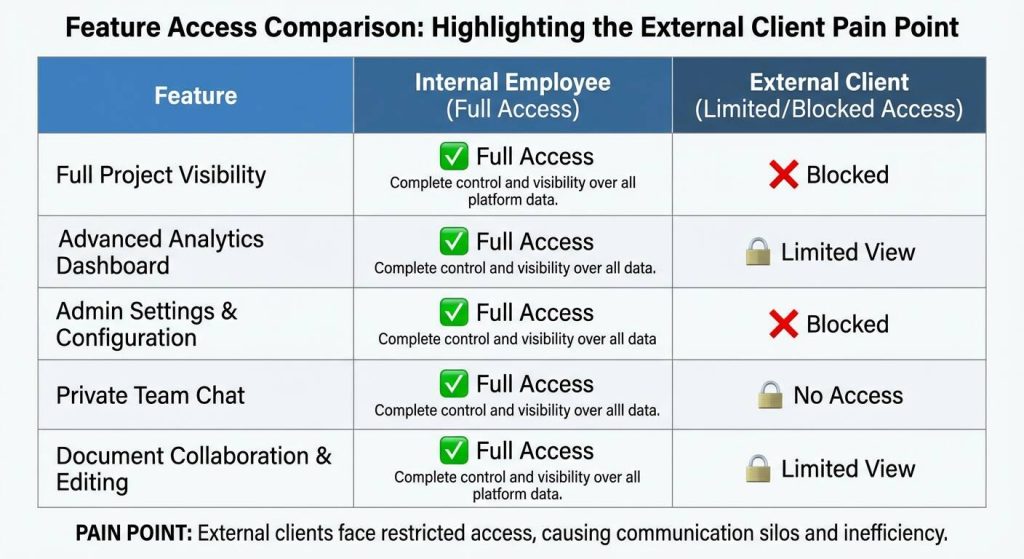
The “External Wall”: Why Sharing with Clients is Difficult
While native tools work well internally, sharing across organizational boundaries introduces significant friction.
- Permissions Blockers: External users (guests) often have limited access to meeting notes in Teams, especially Loop components which may not load for them at all.
- Syncing Errors: To share effectively via Outlook integration, you must ensure your OneNote and Outlook are signed into the same account, otherwise, the “Meeting Details” feature will fail to sync.
The Universal Solution: Sharing 99% Accurate Notes with VOMO
To bypass the permission errors and “login walls” of Microsoft Teams, VOMO offers a streamlined approach designed for universal sharing. If you are exploring how to use AI to take meeting notes step-by-step guide, VOMO makes the final sharing step effortless.
- Share via Web Link: VOMO generates a secure, public web link for your meeting notes. You can send this link to clients, freelancers, or partners via email or Slack, and they can view the notes without creating an account.
- 99% Accuracy: Unlike native transcription which often struggles with accents, VOMO provides 99% accuracy with distinct speaker identification, ensuring the 會議記錄 you share look professional immediately.
- Auto-Export: VOMO can automatically push the key decisions and summary directly to your preferred platforms, eliminating the manual “Copy-Paste” step required by Copilot.
Which Sharing Method Fits Your Needs?
Choosing the right method often depends on how to take meeting notes for any type of meeting you are conducting.
- For Internal Brainstorming:使用 Teams Loop. It is best for real-time, messy collaboration where everyone has a company account.
- For Formal Team Archives:使用 OneNote. It is ideal for organizing notes by project folders over the long term.
- For Client Reports & High Accuracy:使用 VOMO. It provides the highest transcription quality and the easiest access for people outside your organization.
FAQ: Common Questions About Sharing Meeting Notes
Can external users edit shared OneNote pages?
It depends on the permission settings. If you generate a link with “Anyone with the link can edit”, they can make changes. However, many corporate security policies disable anonymous editing links, forcing you to add them as a “Guest” in your Azure AD first.
How do I share notes if I forgot to invite someone to the Teams meeting?
You can manually forward the meeting recap from the Chat tab, but they may not have permission to view the recording or Loop notes. To avoid confusion, designate clearly who should take notes in a meeting so there is a central point of contact for distributing information.