

Writing a professional business letter is an essential skill for effective communication in the corporate world. Whether you’re applying for a job, making a formal request, or addressing a business partner, understanding the correct business letter format ensures your message is clear and professional.
In this guide, we’ll cover the standard business letter format, provide a business letter example, and share practical insights based on real-world usage to help you avoid common mistakes.
What Most People Get Wrong About Business Letter Format
After reviewing multiple templates and real-world examples, one issue stands out:
Most people don’t struggle with writing—they struggle with structure.
Common mistakes include:
- Mixing email and letter formats
- Placing sections in the wrong order
- Using inconsistent formatting
This is why even well-written letters can still look unprofessional.
標準的なビジネスレターの書式
A business letter follows a structured format to ensure clarity and professionalism. Below is the correct layout:
Sender’s Address
Place your company or personal address at the top-left corner. If using letterhead, you can skip this section.
日付
Write the full date below the sender’s address (e.g., January 30, 2025).
Recipient’s Address
Include the recipient’s name, title, company, and address.
Salutation
プロフェッショナルな挨拶をする:
- Dear Mr. Smith,
- Dear Hiring Manager,
- To Whom It May Concern,
Body Paragraphs
- Opening: State your purpose clearly
- Middle: Provide details or context
- Closing: Summarize and include next steps
クロージング
- 敬具
- よろしく、
- Respectfully,
Signature
Add your signature followed by your typed name and title.
Block Format vs Modified Block Format: Which One Should You Use?
One of the biggest sources of confusion is formatting style.
Block Format (Recommended)
- All text aligned left
- Clean and modern
- 最も広く受け入れられている
Modified Block Format
- Some elements aligned right
- More traditional
👉 In most modern business scenarios, block format is the safest choice.
Business Letter vs Email: What’s the Real Difference?
Many people confuse business letters with emails.
Here’s the practical difference:
| アスペクト | Business Letter | 電子メール |
|---|---|---|
| Formality | 高い | ミディアム |
| Structure | Fixed | Flexible |
| 使用例 | Official communication | Daily communication |
| フォーマット | Strict | Loose |
👉 Use business letters for formal, legal, or professional communication.
How Formal Should a Business Letter Be in 2026?
Tone is a major challenge.
From real-world usage:
- Too formal → sounds robotic
- Too casual → feels unprofessional
👉 Best approach:
- クリア
- Polite
- Direct
Modern business writing values clarity over complexity.
The Hardest Part: How to Start and End a Business Letter
Many people struggle most with:
オープニング
A strong opening should:
- State purpose immediately
- Avoid filler phrases
例
“I am writing to request…”
クロージング
A strong closing should:
- Summarize key point
- Include next step
例
“I look forward to your response.”
ビジネスレター書式例
[あなたの名前]
[あなたの住所]
[市、州、郵便番号]
[あなたのEメール]
[あなたの電話番号]
日付
[受取人の名前]
[受取人の役職]
[会社名]
[会社住所]
親愛なる[受取人の名前]、
I am writing to [state the purpose of the letter]. [Provide key background information.]
[Expand your message with relevant details.]
[Summarize your request and include a call to action.]
敬具
[あなたの署名]
[あなたの名前]
[あなたの役職]
A Simple Copy-Paste Business Letter Template (Most Useful Section)
If you just need something quick and effective, use this:
Dear [Name],I am writing to [purpose].[Provide key details.][State your request or next step.]Thank you for your time and consideration.Sincerely,
[あなたの名前]
👉 This works for most business situations.
When Should You Actually Use a Business Letter Today?
Business letters are still widely used in:
- Job applications
- Formal requests
- Legal communication
- Corporate correspondence
However, for daily communication, email is usually preferred.
Common Formatting Mistakes That Make Letters Look Unprofessional
Even small mistakes can reduce credibility:
- Inconsistent spacing
- Missing contact details
- Incorrect alignment
- Overly long paragraphs
👉 Fixing formatting alone can significantly improve professionalism.
Why Templates Matter More Than Rules
One key insight from real usage:
👉 Templates are more useful than theory.
Instead of memorizing rules:
- Use a proven structure
- Customize content
This approach saves time and reduces errors.
効果的なビジネスレターを書くためのヒント
✔ Be Clear and Concise
✔ Use Professional Language
✔ Maintain Proper Formatting
✔ Proofread Before Sending
✔ Include Contact Information
How AI Tools Can Help You Write Better Business Letters
Writing professional letters can be time-consuming. Tools like VOMO AI help streamline the process by:
- Converting voice notes into structured text
- Generating summaries from discussions
- Drafting business letters quickly
Instead of starting from scratch, you can turn ideas into polished communication instantly.
AIでビジネスコミュニケーションを簡素化
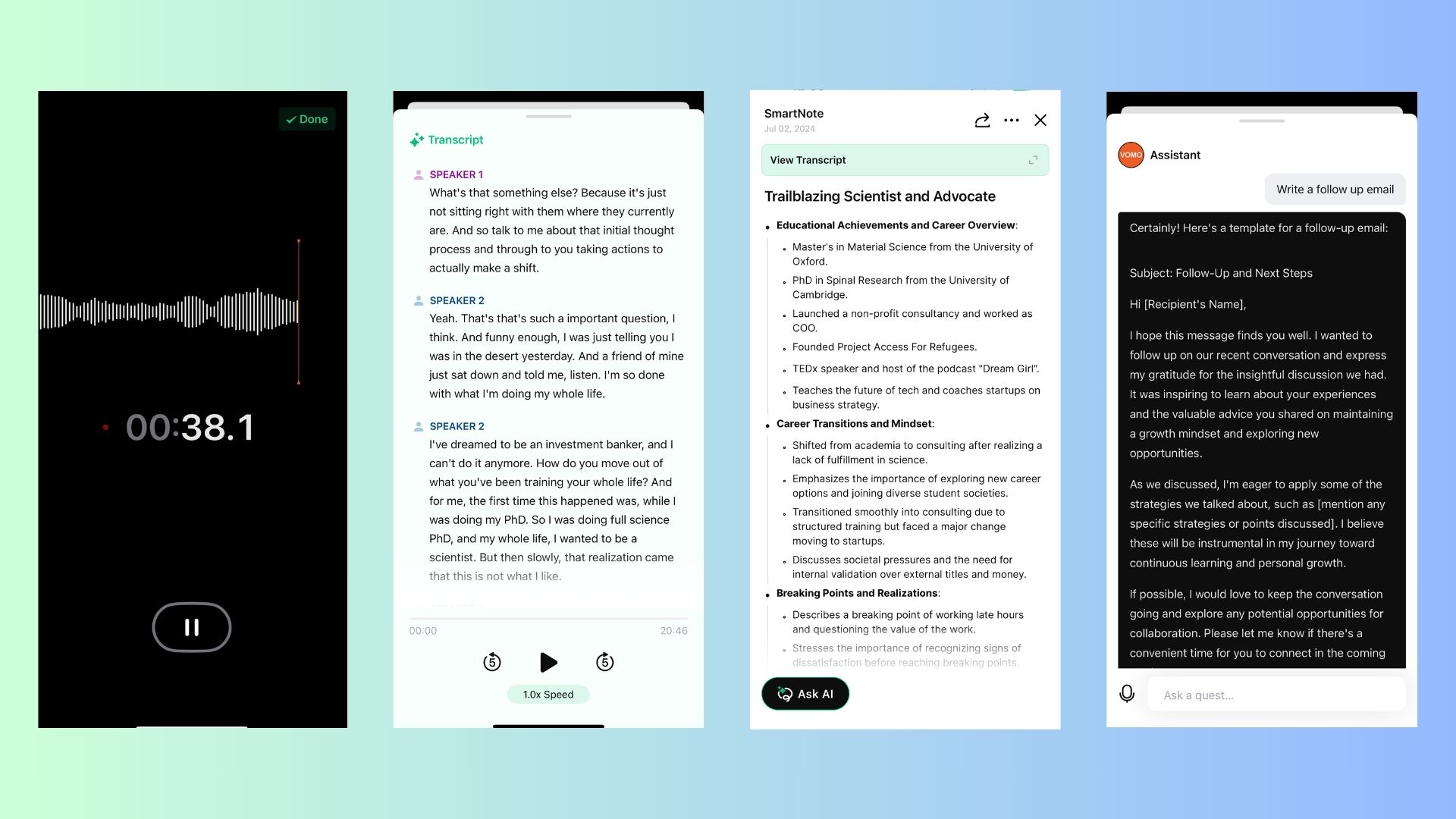
プロフェッショナルなビジネスレターの作成と管理には時間がかかります。 VOMO AI は、次のような方法でコミュニケーションを合理化する:
- テープ起こし ボイスメモ をフォーマットされたテキストに変換する。
- AIによる要約の生成 長い議論の。
- ビジネスメールや手紙の作成をサポート 迅速かつ正確に。
通信文の処理、報告書の作成、整理のいずれにおいても 会議メモ, VOMO AIが効率性と正確性を確保 すべてのビジネス・コミュニケーションにおいて。
🔹 VOMO AIを今すぐ試すそして、あなたのビジネスライティングを向上させる!
結論
Understanding the correct business letter format is essential for professional communication. While the structure may seem strict at first, using templates and clear formatting makes the process much easier.
By combining a proven format, simple language, and modern tools, you can write business letters that are both professional and effective.
👉 Start with a template, keep it clear, and focus on your message.
