

Ja, CapCut kann Audio in Text transkribieren durch seine Auto-Caption-Funktion. Dieses Tool wandelt gesprochene Wörter in Ihrem Video oder Ihrer Audiospur automatisch in Bildschirmuntertitel um. Es ist zwar in erster Linie für die Videobearbeitung gedacht, wird aber von vielen Autoren auch als schnelles Transkriptionswerkzeug verwendet. Die Transkription dient jedoch hauptsächlich der Untertitelung und nicht der Erstellung einer vollständigen, herunterladbaren Abschrift.
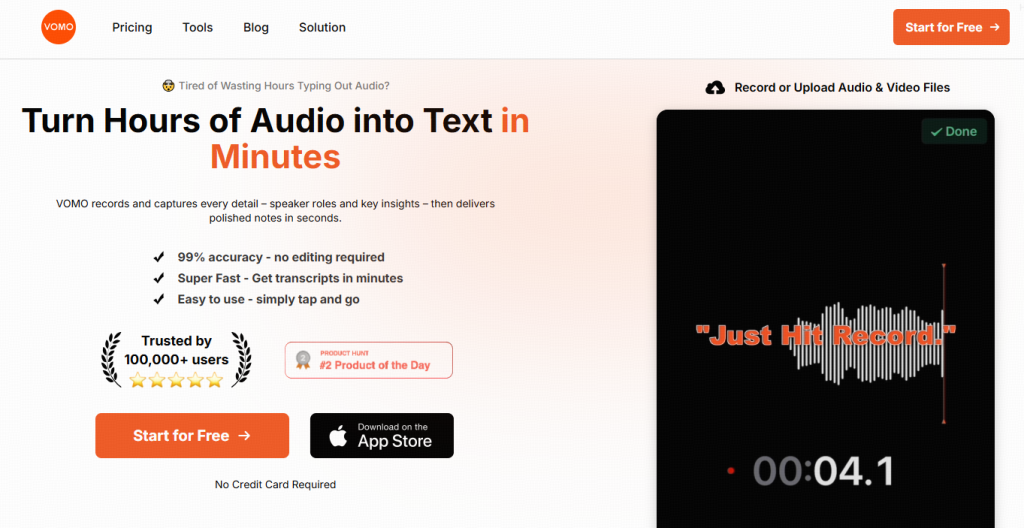
Wenn Sie wollen genauere oder professionelle Transkriptionsdienste, können Sie Tools von Drittanbietern wie Vomo ausprobieren.
Warum CapCut kein echtes Transkriptionswerkzeug ist (aus einem echten Test)
Nach dem Testen von CapCut mit verschiedenen Videotypen - einschließlich Interviews - hat sich gezeigt, podcasts, und kurze Inhalte - es wird deutlich, dass die Transkriptionsfunktion nicht für die Ausgabe von Volltexten ausgelegt ist.
CapCut konzentriert sich auf Erzeugung von Untertiteln innerhalb der Bearbeitungszeitleiste, und nicht die strukturierte Transkription. Dies bedeutet:
- Sie können lange Texte nicht einfach exportieren
- Die Formatierung ist auf den Beschriftungsstil beschränkt
- Es ist für die Bearbeitung optimiert - nicht für das Lesen oder die Analyse.
In realen Arbeitsabläufen führt dies zu Reibungsverlusten, wenn Sie versuchen, Inhalte außerhalb des Videoeditors wiederzuverwenden.
Das versteckte Workflow-Problem: Warum Kreative immer noch zuerst andere Tools verwenden
In der Praxis verlassen sich viele Ersteller nicht auf CapCut als ihr primäres Transkriptionswerkzeug.
Ein effizienterer Arbeitsablauf sieht oft wie folgt aus:
- Transkribieren Sie Audio mit einem spezielles KI-Werkzeug
- Exportieren von sauberem Text oder Untertiteln
- Import in CapCut zur Bearbeitung
Dieser Ansatz vermeidet die Einschränkungen der in CapCut integrierten Beschriftungen und bietet mehr Kontrolle über Genauigkeit, Formatierung und Struktur.
Probleme mit der Genauigkeit: Wenn CapCut Transcription versagt
Bei Tests unter verschiedenen Audiobedingungen hat sich gezeigt, dass die Genauigkeit je nach Bedingungen erheblich variieren kann:
- Hintergrundgeräusche
- Mehrere Lautsprecher
- Schnelle Sprache oder Akzente
Zu den häufigsten Problemen gehören:
- Falsche Wortsegmentierung
- Fehlende Phrasen
- Schlechte Satzstruktur
Diese Probleme machen sich bei längeren Videos stärker bemerkbar, bei denen die Konsistenz wichtiger ist als eine schnelle Konvertierung von Video in Text.
Timeline- und Synchronisierungsprobleme in langen Videos
Bei kurzen Clips schneidet CapCut recht gut ab. Bei längeren Videos (10 oder mehr Minuten) werden die Probleme mit dem Timing jedoch deutlicher.
In realen Anwendungsfällen:
- Untertitel können aus der Synchronisation geraten
- Satzumbrüche wirken unnatürlich
- Die Bearbeitung über das Transkript wird weniger zuverlässig
Dies macht CapCut weniger geeignet für:
- Podcasts
- Interviews
- Pädagogischer Inhalt
Instabilität von Funktionen über Geräte und Versionen hinweg
Eine der größten Herausforderungen für die Benutzerfreundlichkeit ist die Inkonsistenz.
Abhängig von Ihrem Gerät oder der Version von CapCut:
- Einige Funktionen werden möglicherweise nicht angezeigt
- Optionen wie “transkriptbasierte Bearbeitung” können fehlen
- UI ändert sich häufig
Dies schafft Verwirrung und erschwert den Aufbau eines zuverlässigen Arbeitsablaufs im Vergleich zu Video auf dem iPhone transkribieren mit nativen oder speziellen Anwendungen.
Wie CapCut Audio automatisch in Text umwandelt
CapCut verwendet Spracherkennungstechnologie, um Untertitel direkt in Ihrer Bearbeitungszeitleiste zu erzeugen. Wenn Sie Ihre Mediendatei hochladen und die Option "Automatische Untertitel" aktivieren, scannt die Software das Audio, identifiziert gesprochene Wörter und zeigt sie sofort als bearbeitbaren Text an. Das macht es für Produzenten einfach, die Umwandlung von Audio in Text ohne die Bearbeitungsplattform zu verlassen.
CapCut für Video zu Text Untertitel
Eine der beliebtesten Anwendungen von CapCut ist die Erstellung von Untertiteln aus Videoinhalten. Die App erkennt Stimmen in der Spur und erstellt automatisch Textuntertitel. Diese Video-zu-Text-Funktion ist besonders wertvoll für YouTuber, TikTok-Schöpfer, und Online-Pädagogen, die Inhalte mit einem Minimum an manuellen Eingaben zugänglicher und ansprechender machen wollen.
Einschränkungen der Transkriptionsfunktion von CapCut
Obwohl CapCut eine bequeme Transkription ermöglicht, hat es einige Einschränkungen:
- Transkriptionen sind in erster Linie untertitelbasierte, nicht formatierte Dokumente.
- Die Genauigkeit hängt von der Audioqualität und den Hintergrundgeräuschen ab.
- Weniger Anpassungsmöglichkeiten im Vergleich zu professioneller Transkriptionssoftware.
Wenn Sie ausgefeilte Transkripte für Meetings, Interviews oder Podcasts benötigen, ist ein spezielles Audiotranskriptionswerkzeug wirksamer sein kann.
Beste Anwendungsfälle für CapCut Transcription
CapCut Transkription ist ideal für:
- Creators, die schnelle Untertitel für Social-Media-Videos.
- Anfänger, die eine kostenlose, integrierte Methode zur Erzeugung von Text aus Sprache benötigen.
- Projekte, bei denen Geschwindigkeit und Bequemlichkeit wichtiger sind als absolute Genauigkeit.
Wann CapCut ausreicht und wann nicht
CapCut eignet sich gut für:
- Videos in Kurzform (TikTok, Rollen)
- Schnelle Erzeugung von Untertiteln
- Grundlegende Bearbeitungsabläufe
Allerdings hat sie damit Probleme:
- Langformtranskription
- Exportierbare Dokumente
- Hohe Genauigkeitsanforderungen
Wenn Ihr Ziel ist Wiederverwendung von Inhalten, Analyse oder Dokumentation, werden Sie schnell über seine Möglichkeiten hinauswachsen.
CapCut vs. Professionelle Transkriptionswerkzeuge: Was ist der wirkliche Unterschied?
| Merkmal | CapCut | Professionelle Werkzeuge |
|---|---|---|
| Ausgangstyp | Nur Untertitel | Vollständige Abschrift + Untertitel |
| Genauigkeit | Mittel | Hoch |
| Identifizierung des Sprechers | Begrenzt | Fortgeschrittene |
| Export-Optionen | Eingeschränkt | Flexibel (TXT, DOC, SRT) |
| Bester Anwendungsfall | Videobearbeitung | Wiederverwendung und Analyse von Inhalten |
Dieser Vergleich macht einen wichtigen Unterschied deutlich:
👉 CapCut ist ein Video-Editor mit Transkriptionsfunktionen
👉 Professionelle Werkzeuge sind Transkriptionsplattformen mit Bearbeitungsunterstützung
Das eigentliche Ziel: Von Untertiteln zu brauchbaren Inhalten
Die meisten Nutzer versuchen nicht nur, Untertitel zu erstellen - sie wollen es:
- Durchsuchbarer Text
- Strukturierte Zusammenfassungen
- Wiederverwendbare Inhalte
Hier ist CapCut unzureichend.
Um den Wert Ihrer Inhalte voll auszuschöpfen, benötigen Sie Tools, die über Beschriftungen und Videos in verwertbare Informationen umwandeln.
Alternativen zu CapCut für Transkription
Wenn Sie eine professionelle Transkription benötigen, sind Tools wie Otter.ai, Descript, oder Vomo kann Volltextdokumente erstellen, die Bearbeitung ermöglichen und sogar Übersetzungen unterstützen. Diese Tools gehen über Untertitel hinaus und bieten eine Komplettlösung für geschäftliche, akademische oder professionelle Transkriptionsanforderungen.
